




Brisbane’s eastern suburbs are set to absorb more of the city’s housing growth, with new planning rules increasing development capacity across parts of Morningside, Bulimba, Hawthorne, Coorparoo, East Brisbane, Stones Corner, Carina and Wynnum.
The changes are intended to add more low-rise housing in established neighbourhoods where shops, transport and services are already available. Council’s broader More Homes, Sooner program is focused on expanding housing diversity through options such as townhouses, row houses, dual occupancies and low-rise apartments.

Smaller homes broaden options in established neighbourhoods
The revised low-medium density framework allows lots as small as 120 square metres in qualifying areas where location, design and servicing requirements are met.
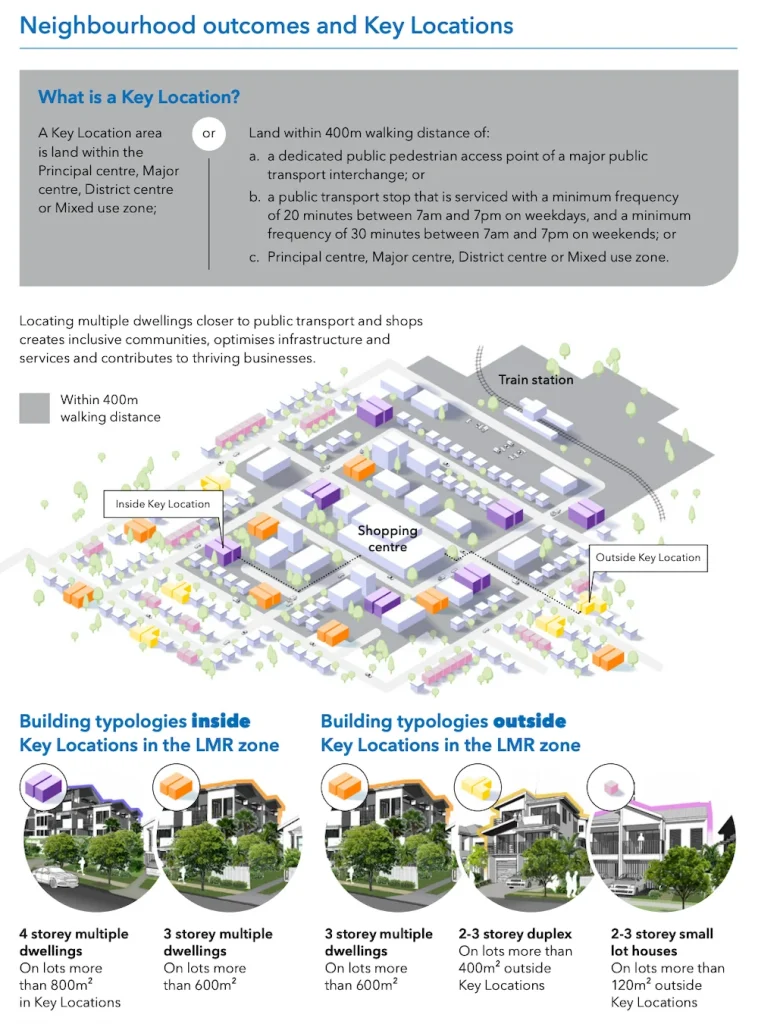
Development of up to three storeys is provided for more broadly, while multiple dwellings of up to four storeys may be permitted at designated locations near frequent public transport or centres.
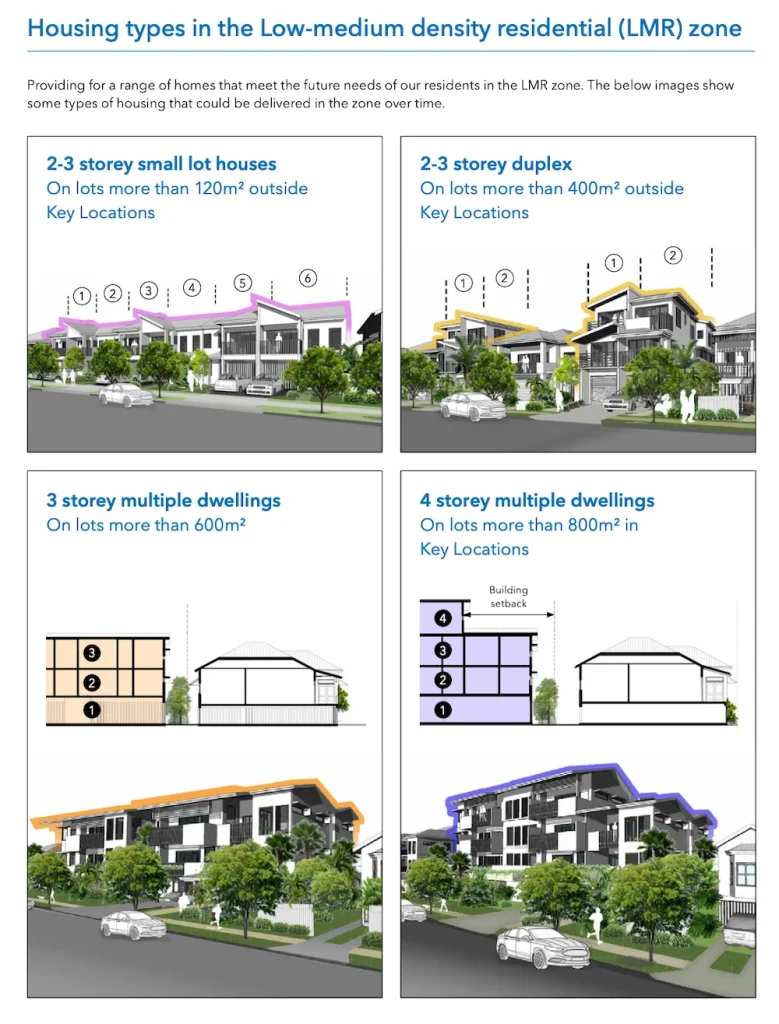
Council says the changes are designed to address a mismatch between Brisbane’s household sizes and its housing stock, with demand increasing for smaller homes suited to singles, couples, downsizers and other households that do not require larger detached houses.
Morningside, for example, had an average household size of 2.3 people at the 2021 Census, while Bulimba averaged 2.4 people per household.
Local centres and transport anchor the growth
Many of the affected eastern suburbs already combine residential areas with established shopping strips, employment areas and public transport links.
Coorparoo, Stones Corner, Morningside and Carina contain established local centres, while Bulimba and Hawthorne have long-standing retail and dining precincts. East Brisbane sits close to inner-city employment and services, and parts of the eastern corridor are served by frequent bus routes, rail and ferry connections.
Council’s planning strategy says concentrating additional housing near existing centres and transport can make greater use of infrastructure already in place while giving residents closer access to everyday services.
Stones Corner is also identified in Council’s 2026–27 budget as one of several suburban renewal precincts, linking future growth with broader planning for local centres and public spaces.
Wynnum adds a bayside growth story
Wynnum brings a separate layer to the eastern suburbs housing story after Council adopted the Wynnum Centre Suburban Renewal Precinct Plan in 2026.
The precinct plan is intended to allow more housing in the centre while strengthening the local economy and connections to public transport and the foreshore. Council records show the Wynnum Centre amendment became effective on 12 June 2026.
Council’s consultation material says the plan was developed around Wynnum’s bayside character while creating additional housing opportunities and improving links between the town centre, transport and waterfront.
Low-rise housing remains the focus
The broader low-medium density changes do not convert affected eastern suburbs into high-rise zones. Eligible land remains focused on lower-scale development, generally up to three storeys, with four-storey multiple dwellings limited to qualifying locations.
Design controls continue to regulate matters including site cover, landscaping and servicing, with additional requirements applying to smaller lots.
The changes create greater capacity for residents to find smaller homes in established eastern suburbs without relying only on detached houses or large apartment towers. How much new housing is ultimately built will depend on individual sites, landowners, market conditions and applicable development approvals.
Published 7-Sept-2026