



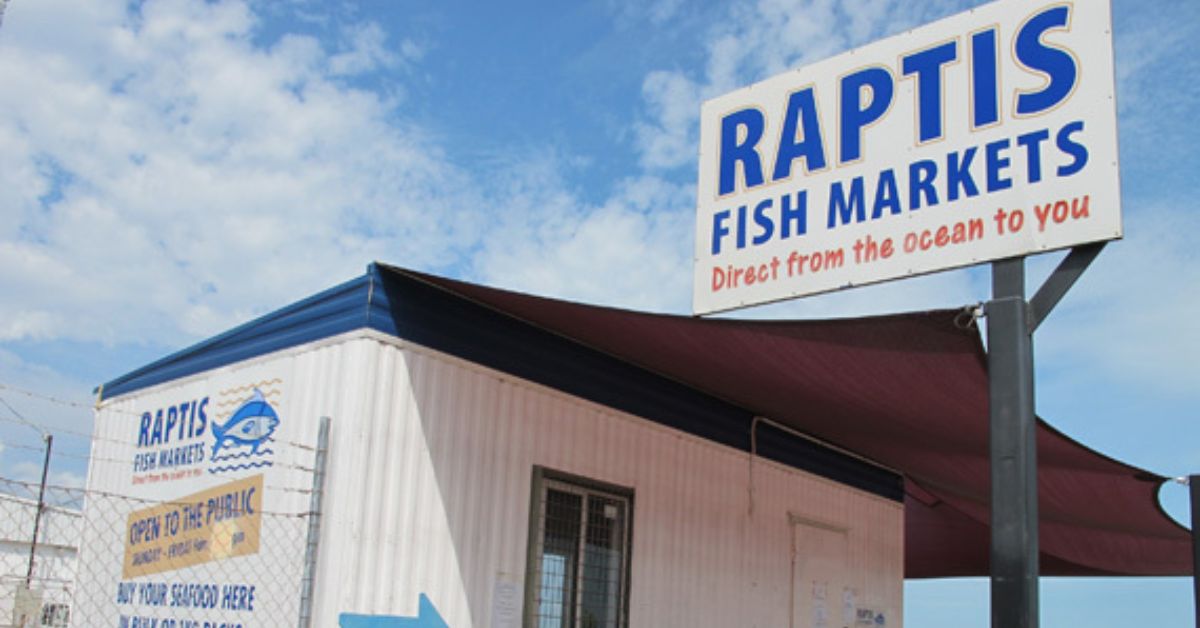
A. Raptis & Sons Group, the Morningside-headquartered company that grew into Australia’s largest wild-caught prawn operation over six decades, will close after administrators failed to find a buyer, leaving more than 200 workers without jobs just hours before the Easter seafood rush.
Administrators took control of the group on 6 March, covering entities including A. Raptis & Sons Pty Ltd, Harvest Seafood Australia and its Karumba-based operations. Despite launching an urgent campaign to sell or recapitalise the business, the administrators did not receive any viable offers. On 31 March, administrator Ben Campbell confirmed the business would wind down over the coming months.

This wind down marks the move into formal liquidation. With no buyer to take over the group as a whole, the focus now shifts to selling off the fleet and assets to cover outstanding debts.
Campbell said, “While there was some interest in the sale process, unfortunately, and despite the best efforts of all parties, there have been no offers for the sale of the business as a going concern that are able to be taken forward.”
A Family Business Built Over Generations
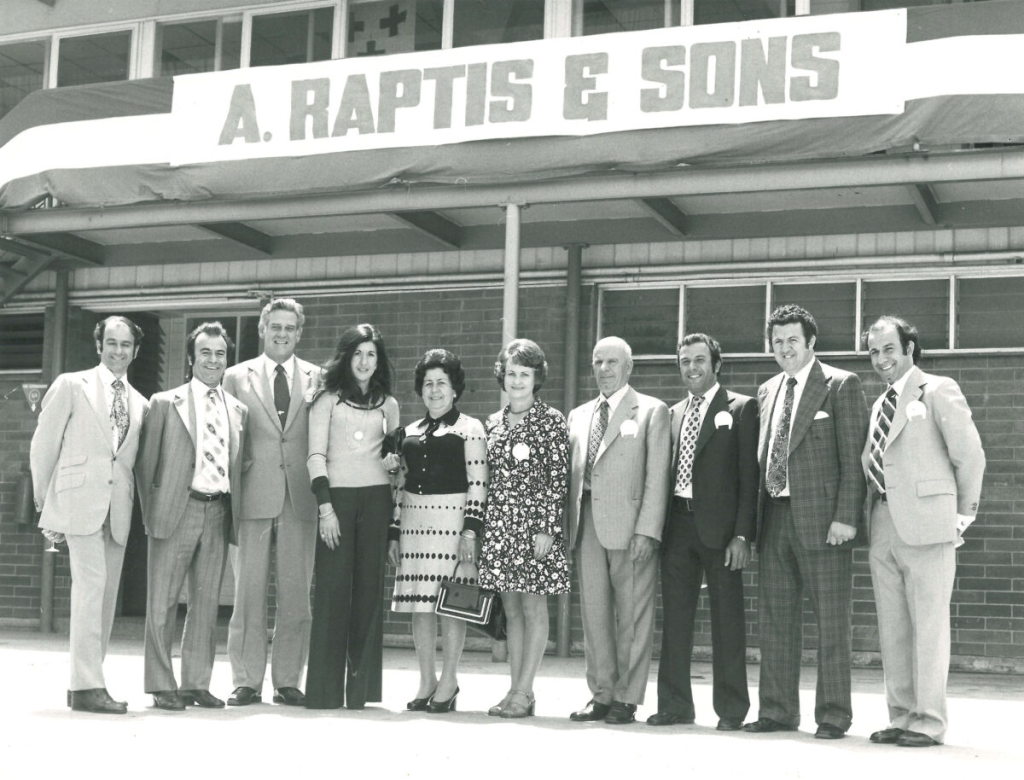
The Raptis story began with Arthur Raptis Senior, a Greek migrant who started working in Australia’s fishing industry in the 1930s. He and his wife Anna later opened a fish and chip shop in Adelaide in the 1950s, and from that modest start the family built what would become one of the country’s most significant seafood operations.
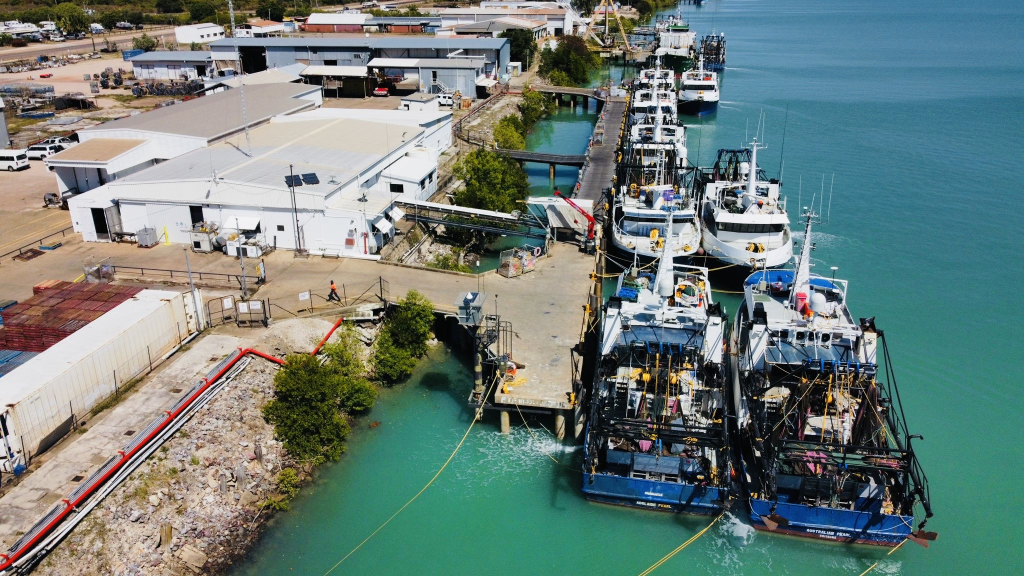
By the time of its collapse, the Raptis group owned and operated 19 commercial fishing vessels across Australian waters and sourced wild-caught seafood nationally. Its headquarters at Morningside in Brisbane served as the nerve centre for an operation that stretched from South Australia to the Gulf of Carpentaria, with Karumba in far north Queensland serving as a critical base for the company’s prawn trawling fleet.
The business had been a fixture of the banana prawn season in the Gulf of Carpentaria, with its fleet departing Karumba each April at the opening of the season. This year, 14 of its 17 vessels are expected to sit idle rather than heading out to sea.
Karumba Bears the Brunt
For Karumba, a small Gulf of Carpentaria town already isolated by four months of floodwater, the Raptis collapse has landed at one of the worst possible moments. The company provided a fuel wharf for the commercial fishing industry in the town, along with warehouse infrastructure that smaller operators relied on.

Ash’s Holiday Unit and Cafe co-owner Yvonne Tunney said the closure had devastated the community. “It’s extremely sad. It’s tragic because it’s only a little community. There’s not a lot of options for work. I think there’s also that flow-on effect, we’ve got the supermarkets that stock the trawlers, you’ve got all the other agencies and companies that supply services to them.”
Fisher and Malanda Seafood manager Karen Miller described the loss as significant for the broader gulf fishing industry. “Without their infrastructure, it would obviously be a lot harder for us small businesses. We don’t have that manpower and funding behind us to take much further steps forward in that regard.”
Miller connected the collapse to a wider problem facing Australian seafood producers. “It’s like a kick in the guts for the whole industry. With the rising production cost of Australian seafood, it’s never been more important to support local seafood. This is a sign of the times.”
What Brought Raptis Down
The company entered voluntary administration after a failed banana prawn season combined with a 2024 price slump driven by market oversupply. These blows hit harder as global diesel volatility and the end of fuel excise relief sent local production costs soaring. For a fleet this size, an 80% jump in fuel overheads made it impossible to keep the boats in the water without a massive cash injection.
The fallout hits seven subsidiaries across the coast. It is a massive blow to the crews, the transport drivers, and the regional suppliers who relied on the Raptis network to keep their own small businesses moving.
What Comes Next for Workers
Administrators are now working with affected employees regarding their entitlements during the administration process and will continue pursuing the sale of company assets. The wind-down is expected to unfold over coming months.
Workers across Queensland and South Australia facing uncertainty about their entitlements can contact the Fair Entitlements Guarantee through the Services Australia on 13 28 50, or visit servicesaustralia.gov.au. The Fair Work Ombudsman can also assist on 13 13 94.
Published 02-April-2026