



Proposed updates to planning rules affecting Brisbane’s low-medium density residential areas would impact parts of Morningside, aiming to support the delivery of more diverse housing in well-serviced neighbourhoods.
Background on Morningside’s Inclusion
Portions of Morningside fall within Brisbane’s low-medium density residential zone, which represents 14 per cent of the city’s residential land. Construction activity in these areas has slowed sharply, declining from about 1,100 new homes each year to 445 in 2023. Increasing construction costs have made it difficult for smaller townhouse and unit projects in suburbs like Morningside to remain feasible.
Proposed Planning Adjustments in Morningside
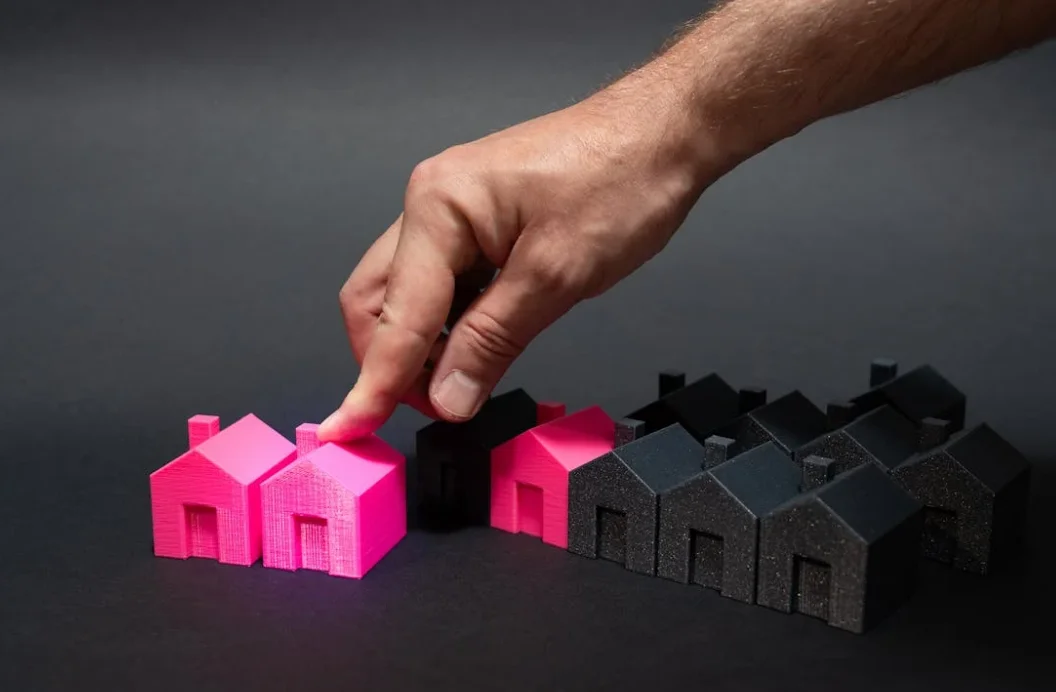
A review of planning rules for the low-medium density residential zone proposes several changes intended to enable a wider range of housing options in established suburbs.
Allowable building height would shift from two to three storeys, with some well-located sites near frequent public transport or shops permitted to reach four storeys. Minimum lot sizes would decrease from 260 square metres to 120 square metres to support the creation of smaller blocks.
The proposal also includes simpler development assessment processes and an expansion of subdivision eligibility from 200 metres to 300 metres from shopping centres. Updated design requirements would maintain neighbourhood character through setbacks, maximum building footprints and space for street trees. Parking rates would be adjusted across the city to help lower construction costs.
Why Morningside Is Part of the Review
The review targets well-serviced middle-ring suburbs, specifically those close to shops, public transport and existing infrastructure. Morningside meets these criteria, which is why it appears among the suburbs listed for potential planning updates.
The changes form part of a broader effort to increase housing options in established suburbs rather than expanding outward.
Housing Needs and Broader Context
Brisbane is forecast to need around 210,800 additional homes by 2046 due to population growth and shifts in household size. More than half of households consist of single occupants or couples, yet over 70 per cent of existing homes contain three or more bedrooms.
The proposed low-medium density updates could deliver up to 6,000 new homes by 2032 across the city. Morningside is among the suburbs positioned to contribute to this supply through smaller dwellings such as townhouses, units and compact apartments suitable for first-home buyers and downsizers.
Community and Industry Feedback
Industry groups have expressed support for greater housing diversity and improved feasibility for smaller projects. Early feedback from community members highlights ongoing difficulty accessing affordable or appropriately sized homes, with some residents suggesting that expanded housing options in established suburbs may offer relief.
Initial public feedback is being collected through the city’s online platform, with formal consultation scheduled for early 2026.
Next Steps
The proposed changes are undergoing initial review, with community input informing the next phase of planning. The final outcome will determine how areas such as Morningside can support future housing supply while retaining neighbourhood character through updated design requirements.
Published 3-Dec-2025